
 |
|||
 |
|||
 |
|||
 |
|||
 |
|||
 |
|||
 |
|||
 |
|||
 |
|||
 |
|||
|
 |
|
 |
 |
|
|
 |
Past Cases |
 |
|
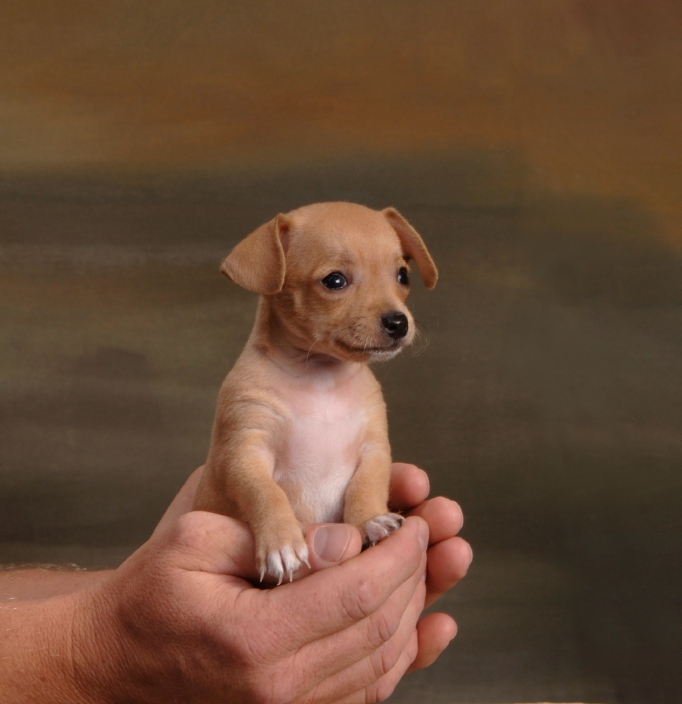
CASES PREVIOUSLY HANDLED BY THE LAW OFFICE OF ELIZABETH L ELLIOTT Example Equine Case The Law Office of Elizabeth L. Elliott also takes equine cases. Such cases include wrongful deaths and breach of contract cases. The following is an example of the type of case handled by Ms. Elliott. Annie “Annie,” a Tennessee Walking Horse mare, was placed in the care of a boarding and training facility. Her owner/guardian and the stable owner entered a written boarding contract which contained a release of liability provision. One afternoon, a stable hand found Annie lying down in a paddock with a nail in her foot. The stable owner pulled the nail out of the foot. She then walked Annie back to her stall. She cleaned her foot and gave her Bute. She attempted to use a knife to find the entry hole for the nail, but was unsuccessful. She then went to a hardware store and purchased a tetanus vaccine. Upon her return, she administered the vaccine to Annie. She made no attempt to contact her owner/guardian or a veterinarian. Unfortunately, it was necessary to humanely euthanize Annie due to her injuries. Her owner/guardian retained the Law Office of Elizabeth L. Elliott to file an action against the boarding facility. The case went to arbitration. The arbitrator found in favor of Annie’s owner. Ms. Elliott successfully argued that the release language in the boarding contract was not binding due to the gross negligence of the defendants. Unborn Foal In the late hours of a 2007 night, a female minor under the influence of alcohol and/or drugs lost control of her car while going around a corner. She crashed into a fence and went on into a pasture next to the road. The car severely damaged the fence and pasture, but neither was as significant as the damage caused to Honey, a very pregnant mare, and her unborn foal who were being cared for by the landowner. Due to the shock and stress suffered by Honey, she lost the unborn foal.
Honey’s owner filed an action against the parents of the
minor. Ms. Elliott successfully negotiated a settlement
for Honey’s owner due to the loss of the unborn foal.
Achilles In 2010, a woman adopted “Achilles,” a horse, from a rescue operation. In late 2011, the she moved Achilles to another boarding facility. In early 2011, she notified the rescue operation of her intention to move Achilles again. Out of the blue, the rescue organization complained that the woman had breached the adoption contract and sued for return of Achilles. The adoptive owner hired Ms. Elliott several months after the lawsuit had begun. Through mediation, Ms. Elliott successfully obtained a settlement agreement. Achilles happily lives with Ms. Elliott’s client. Example Custody and Ownership Dispute Cases Disputes over the ownership or custody of an animal companion can be particularly painful. Such cases arise under a variety of situations. The typical custody dispute occurs upon the breakup of an intimate relationship or a divorce. Other scenarios may also occur such as a caretaker refusing to return an animal or an adoptive family refusing to give an animal back to the original owner/guardian. Here are several examples of cases that the Law Office of Elizabeth L. Elliott has handled. In each case the animal companion was returned to her client. Chihuahua Mix – A woman adopted Chihuahua mix from the Willamette Humane Society. She formed a deep connection with him. The woman resided with an elderly woman. When the elderly woman died a dispute arose over the guardianship/ownership of the Chihuahua. The estate took the Chihuahua. The owner/guardian hired Ms. Elliott to re-obtain ownership and custody of him. After filing suit and a significant amount of negotiations, the Chihuahua was returned to his owner/guardian. Lab/Greyhound/Pit Bull Mix – Two sisters entrusted their beloved canine companion with friends while they took summer jobs out-of-state. They arranged to gather their dog from their friend upon completion of their work. The friend allowed two mutual friends to assume custody of the dog on a temporary basis. The sisters were informed of the arrangement. They contacted the mutual friends who agreed to care for the dog. Upon completion of the summer jobs, the mutual friends refused to return the sisters’ canine companion. In totally anguish, the sisters contacted the Law Office of Elizabeth L. Elliott. After much negotiation, the canine companion was returned to the sisters. Miniature Schnauzer – A family conditionally agreed to adopt out their miniature Schnauzer. They were working very long hours and felt that they did not have enough time to commit to her. The adoptive family was informed that the original owners of the Schnauzer were not certain if they could bear the pain of leaving their canine companion. Less than 24 hours after adopting out the miniature Schnauzer, the original family called the adoptive family and told them that they wanted her returned. The adoptive family refused. Ms. Elliott successfully obtained the return of the miniature Schnauzer to the original family. Example Dangerous Dog Citation and Designation Cases As you can see by the following examples, in many instances, owners/guardians of so called “dangerous” animals are entirely unaware that anything has occurred with their pet. They are only “informed” when a citation or dangerous dog declaration arrives in the mail days, or even weeks, after the fact. At that point, they are then faced with proving the situation did not occur. Read these cases below to realize you are not alone and discover that there may be solutions to your problem. Some of the headings include language taken directly from citations that you may have received. In each case, the dogs represented by the Law Office of Elizabeth L. Elliott returned to live with their families. Dangerous Dog Declaration for Killing a Domestic Animal Two Great Danes – Two male Great Danes allegedly attacked and killed a small dog in Seattle. They were impounded by the Seattle Animal Shelter. This entire event shocked their owner/guardian. They had been nothing but gentle creatures throughout their lifetimes. The director of the shelter made the preliminary determination that the Great Danes were dangerous dogs under the Seattle Code. Thus, began a long battle to save their lives. After extensive negotiations, the Great Danes were released into their owner’s custody. Permitting a Dog to Bite A Human A Giant Schnauzer – The caretaker of a Giant Schnauzer received a citation for allowing a dog to bite a human under Seattle Municipal Code 9.25.084 G(1) after an encounter between the Schnauzer and a man at a local coffee shop. The handler retained Elizabeth L. Elliott to assist her in defending against the citation and preventing a possible dangerous dog complaint. A dangerous dog designation would result in removal of the dog from the jurisdiction or euthanization. Ms. Elliott succeeded in obtaining the dismissal of the citation. The Schnauzer is now happily residing with his owners in Seattle. “Running at Large” and “Keeping a Vicious Animal” The owner of a Rottweiler-mix in Eastern Washington was informed by police that his dog had allegedly attacked a Chihuahua. He received citations for allowing a dog to run at large and for “Keeping a Vicious Animal.” His dog was impounded and was in danger of being euthanized if the citation was not dismissed. Ms. Elliott successfully argued that the jurisdiction did not file a notice of infraction as required by law and that the vicious animal ordinance was vague, overbroad and deprived dog owners of procedural due process. The citation was dismissed and the dog was returned to his family. “Nuisance” and “Order of Removal” King County Animal Control ordered the removal of a Labrador/Great Pyrnees mix from the county after allegedly biting a delivery person five months earlier. Ms. Elliott represented the dog and his owners in their appeal before the King County Board of Appeal. She argued that the alleged bite was provoked and successfully negotiated a settlement that did not require the owners/guardians to find a new home for their beloved dog. Dog Approaching a Human in a Menacing Fashion German Shepherd – A German Shepherd was accused of running out of his house and chasing a postal delivery person into his van. The City of Seattle issued citations to his owner for a dog displaying a menacing behavior under SMC 9.25.084(G)(2) and a dog running at large under SMC 9.25.084(A). All charges were dismissed. Three Giant Schnauzers – A caretaker for three Giant Schnauzers took them to a Seattle park. While there they encountered two human adults and a child. Later, the caretaker received three citations for allowing a dog off leash in a park under SMC 18.12.08(A) and three citations for permitting a dog, when unprovoked, to approach a human in a menacing fashion under SMC 9.25.084(G)(2). The adults that the caretaker had seen had filed reports with Seattle Animal Control. They complained that the three Giant Schnauzers had charged them in the park and barked at them aggressively. The charges totally surprised the handler of the three dogs. After negotiations with the City of Seattle, Ms. Elliott succeeding in getting two of the citations for permitting a dog, when unprovoked, to approach a human in a menacing fashion under SMC 9.25.084(G)(2) dismissed. Chow Mix – A Chow mixed breed dog ran out the door of his house to greet a dog walking past on the sidewalk. The owner of the other dog accused the Chow of biting her dog. She reported the Chow to Seattle Animal Control. The owners/guardians of the Chow received citations for permitting a dog to bite a domestic animal under SMC 9.25.084(G)(1); permitting a dog to run off leash under SMC 9.25.084(A); failing to license under SMC 2.25.080(A); and failing to vaccinate for rabies under SMC 9.25.049(I). The citations for permitting a dog to bite a domestic animal; failure to license; and failure to vaccinate were dismissed. Boston Terrier – A six year old female Boston Terrier was being walked by her owner/guardian when she was approached by a woman walking another small female dog. The dog charged the Boston Terrier; stuck her face right in the Terrier’s face; and barked. The Boston Terrier responded by allegedly nipping the other dog’s nose. The owner/guardian of the Boston Terrier received a citation under SMC 9.35.084G(1) for permitting a dog to bite a domestic animal. Ms. Elliott succeeded in obtaining the dismissal of the citation. Dangerous Dog Declaration for Inflicting Severe Injury on a Human Being Red Heeler – An altercation occurred between a Red Heeler and a Schnauzer/Pug Mix allegedly resulting in an extensive injury to the owner of the Schnauzer/Pug Mix. The Red Heeler was declared a dangerous dog by Thurston County for inflicting severe injury on a human being without provocation on public or private property. (TCC 9.10.070(B)(2)(a)). The owners of the Red Heeler were extremely concerned about the conditions imposed upon their dog. Ms. Elliott presented evidence that the Red Heeler could not have inflicted the bite suffered by the owner of the Schnauzer/Pug Mix. The County determined that the “victim” did not present proof beyond a reasonable doubt that the Red Heeler inflicted the injury that she suffered. Though there was evidence of a history of aggressive behavior, the Dangerous Dog Designation was rescinded and a Potentially Dangerous Dog Designation imposed. The County imposed more limited restrictions on the Red Heeler. It granted the owners the right to have the designation reviewed in two years. Potentially Dangerous Dog Declaration for Inflicting Bites on a Domestic Animal German Shepherd Mix – A Jack Russell Terrier was brutally attacked by a pack of dogs. Two owners received potentially dangerous dog declarations and nuisance dog citations. One owner appealed the potentially dangerous dog designation issued under RCW 16.08.070(1). That person owned a German Shepherd Mix. The owners of the severely injured Jack Russell Terrier hired the Law Office of Elizabeth Lorraine Elliott to represent them at the appeal hearing. Ms. Elliott successfully assisted them in presenting their testimony and she persuasively argued that the potentially dangerous dog designation was appropriate. The King County Board of Appeals upheld the potentially dangerous dog declaration. Potentially Dangerous Dog Declaration for Killing Livestock Retrievers – A Golden Retriever and a Black Retriever Mix got out of their backyard in Lake Stevens. Although their owners/guardians were still not home, the Retrievers returned to their yard later in the day. Several days later, their owners/guardians received two citations for dogs running at large and two potentially dangerous dog citations under LSMC 5.28.040. The Retrievers had allegedly killed chickens belonging to a neighbor. The citations took the owners of the Retrieves totally by surprise. After hearing on the matter, the Potentially Dangerous Dog Designation for the Golden Retriever was removed. The Golden Retriever was allowed to live restriction free in the City of Lake Stevens. Limited conditions were imposed on the Black Retriever Mix. Siberian Husky – A Siberian Husky was declared a dangerous dog by the Dupont Police Department after allegedly killing a cat. The owners of the Husky were distraught over his actions and over the label imposed upon their dog. The Husky and his owners were represented by the Law office of Elizabeth Lorraine Elliott in the appeal of the dangerous dog designation. After the hearing, the Chief of Police placed the Husky on a 6 months probationary period. If the Husky did not have any reported behavior violations during this period, he would not be labeled a dangerous dog. The Husky successfully passed this period of time and is not considered a dangerous dog. He is now happily living with his family in the City of Dupont.
|
||
 |
 |
